The Byron Society Collection and the Betty T. Bennett Papers
The Byron Society Collection’s extensive and varied holdings represent a material history of Byron literary and cultural studies from the 19th century to the present day. The collection, which was founded in 1995 by Marsha M. Manns and Leslie A. Marchand, is housed within Drew University Special Collections where Manns, who is co-chair of the Byron Society Collection’s Joint Advisory Committee, Doucet Devin Fischer, a founding member of the Joint Advisory Committee, and Candace Reilly, Manager of Special Collections and the other co-chair of the Joint Advisory Committee, work in partnership. Conceived as a living collection to which Byron Society members and friends could contribute their own collections, it has grown significantly over the decades, today encompassing more than 6,000 items. This post brings together the three voices of Marsha M. Manns, Doucet Devin Fischer, and Candace Reilly to reflect the collaborative nature of the Byron Society Collection.
What have been your experiences working with the BSC? Are there any highlights that you'd like to share?
Marsha: Because working with the Byron Society Collection is a never-ending adventure, it is difficult to single out any one or two highlights—but I will try. First and foremost, it has been a privilege to work with so many Byron Society members to steward their varied and treasured collections within the whole of the Byron Society Collection. Their faith in the work of the collection has been inspiring.
Of course, working with the Collection’s Joint Advisory Committee at Drew University Libraries is a pleasure. The 2014 Collecting Byron conference brought together both academics and collectors to celebrate the Byron Society of America’s archives being fully cataloged within the collection. And, without a doubt, the 2025 launch of the collection’s website digitizing over 260 objects as well as Betty Bennett’s unfinished Mary Shelley monograph proved an exciting addition to the celebrations surrounding the bicentennial of Byron’s death.
Candace: It has been a pleasure to work with the members of the BSC’s Joint Advisory Committee over the past eight years. In that time we have digitized and promoted the entire realia collection on JSTOR Digital Stewardship, along with Betty Bennett’s monograph. These initiatives have made the collection accessible to an international audience and have provided student workers with hands-on experience with the materials.
What is your favorite item in the BSC?
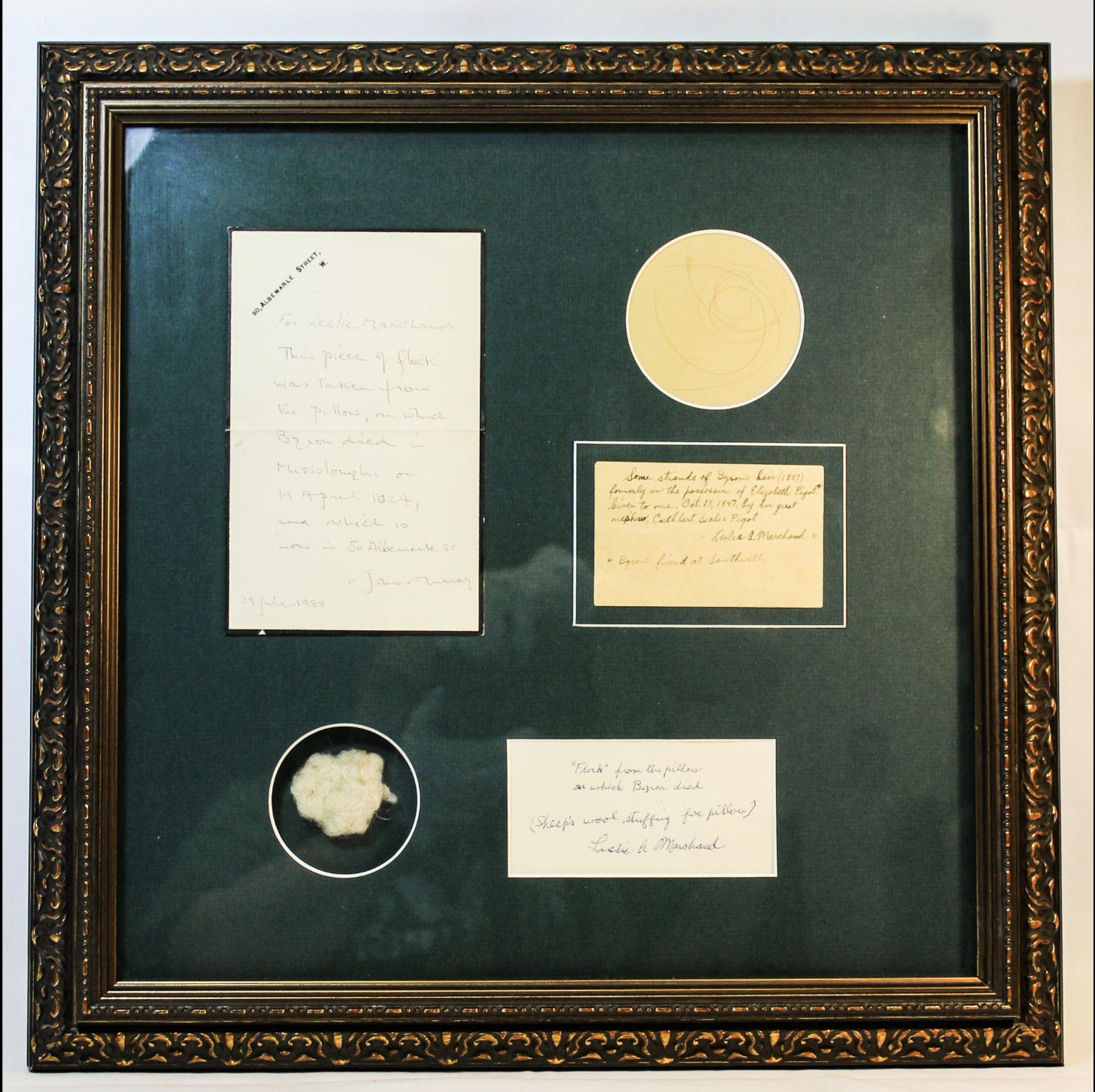
Marsha: I would have to say it is the framed relics of Byron’s hair and flock from the pillow on which he died in Messolonghi. Both belonged to Leslie Marchand. The strand of hair was given to Leslie in 1947 by Elizabeth Pigot’s great nephew Cuthbert Pigot; the pillow flock was presented to Leslie by John (Jock) Murray in 1988 in celebration of the bicentennial of Byron’s birth.
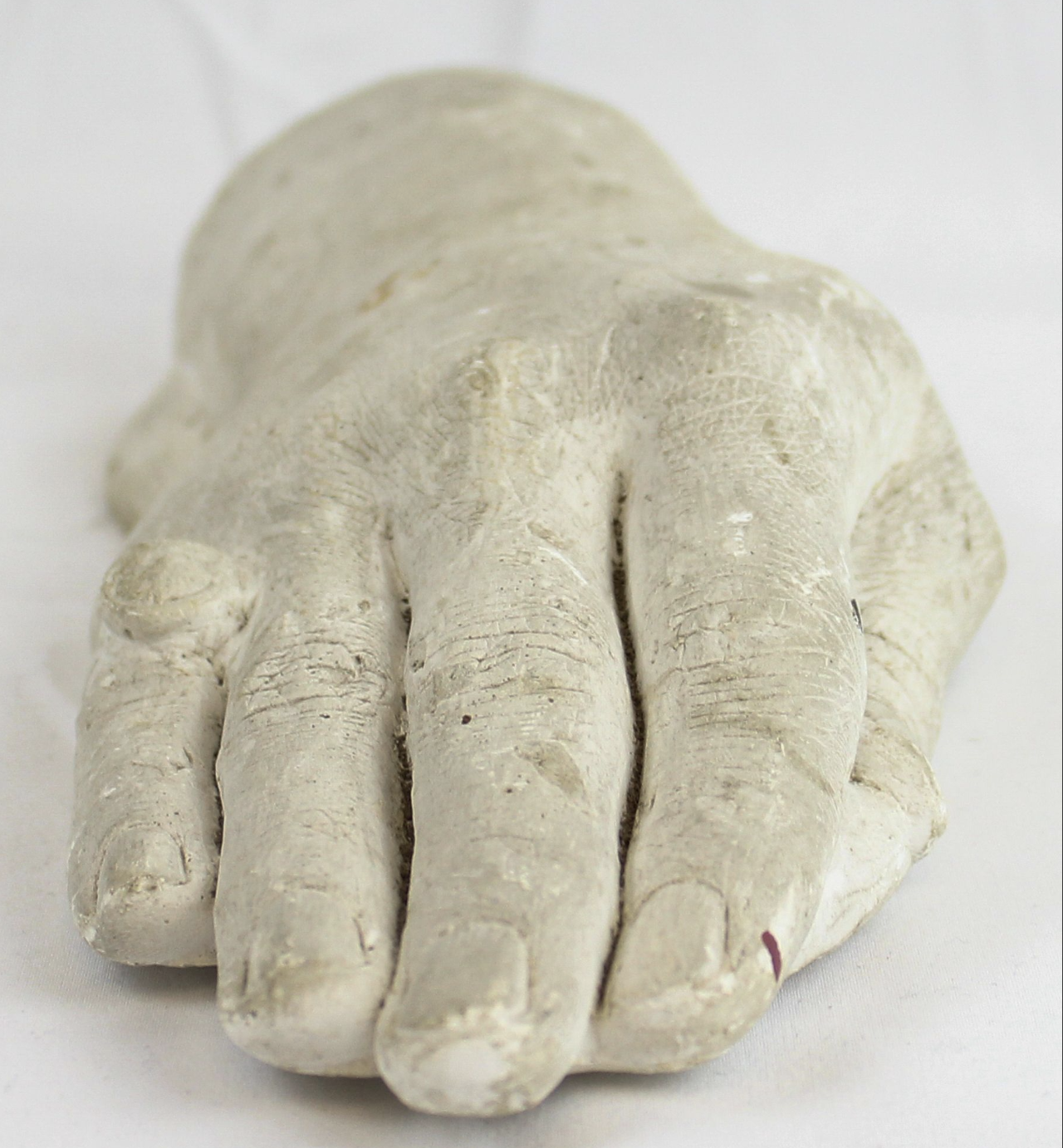
Candace: My favorite item in the collection is the cast of Byron’s hand. The students are always fascinated that the cast included Byron’s ring.
Doucet: During a recent scroll through the digital gallery of art work and realia, the number of commemorative medals interested and surprised me, as they, too, attest to Byron’s enduring appeal. My favorite, date unknown, references the scandals and rumors that drove Byron into exile in 1816. It displays a rendering of G. H. Harlow’s portrait of Byron, with his name and dates on the face; and on the reverse, the words “Fare Thee Well” and an image of his departure from England in a fragile boat and a single figure standing on the quay.
What is something researchers might not know about this collection that would surprise them?
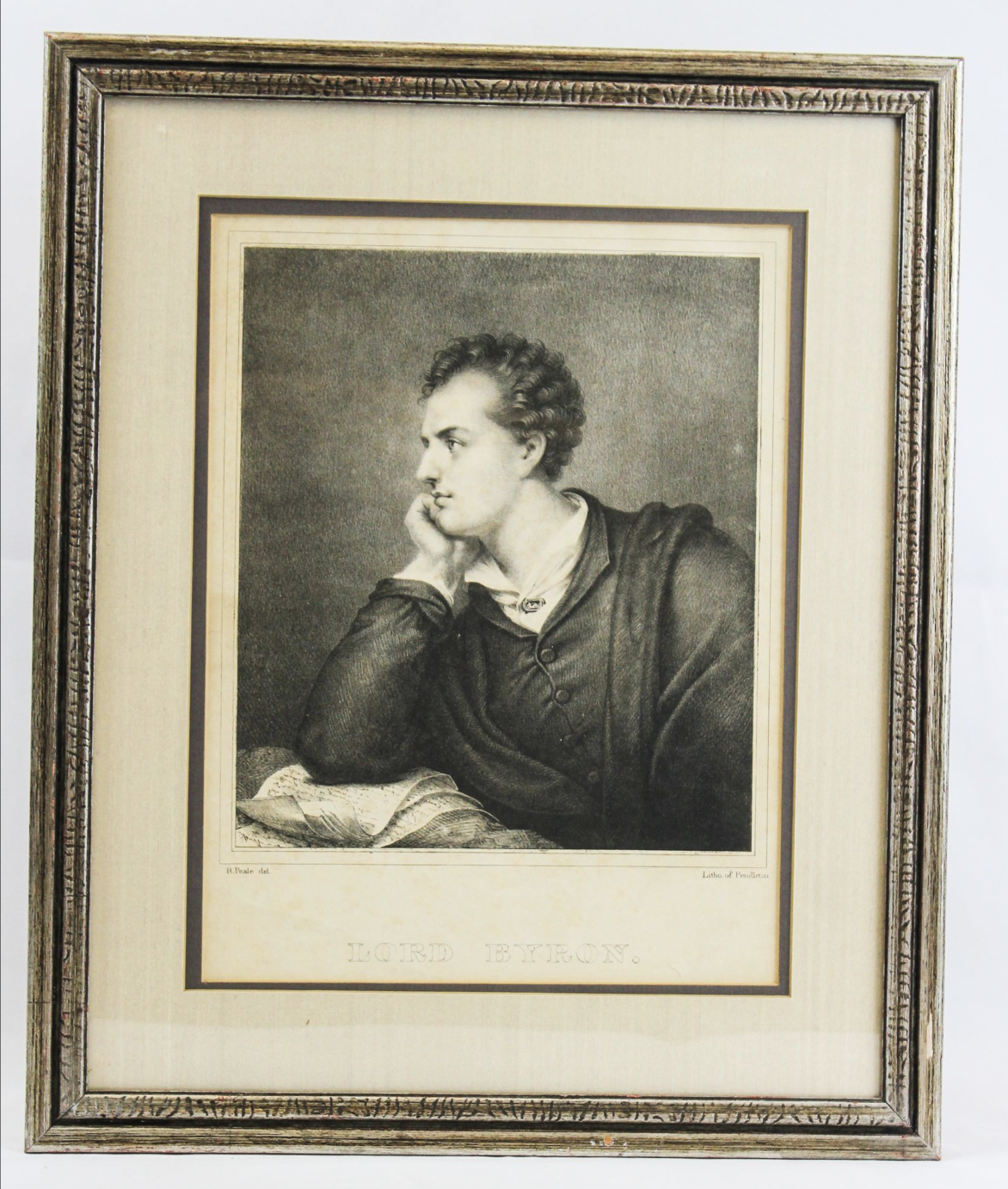
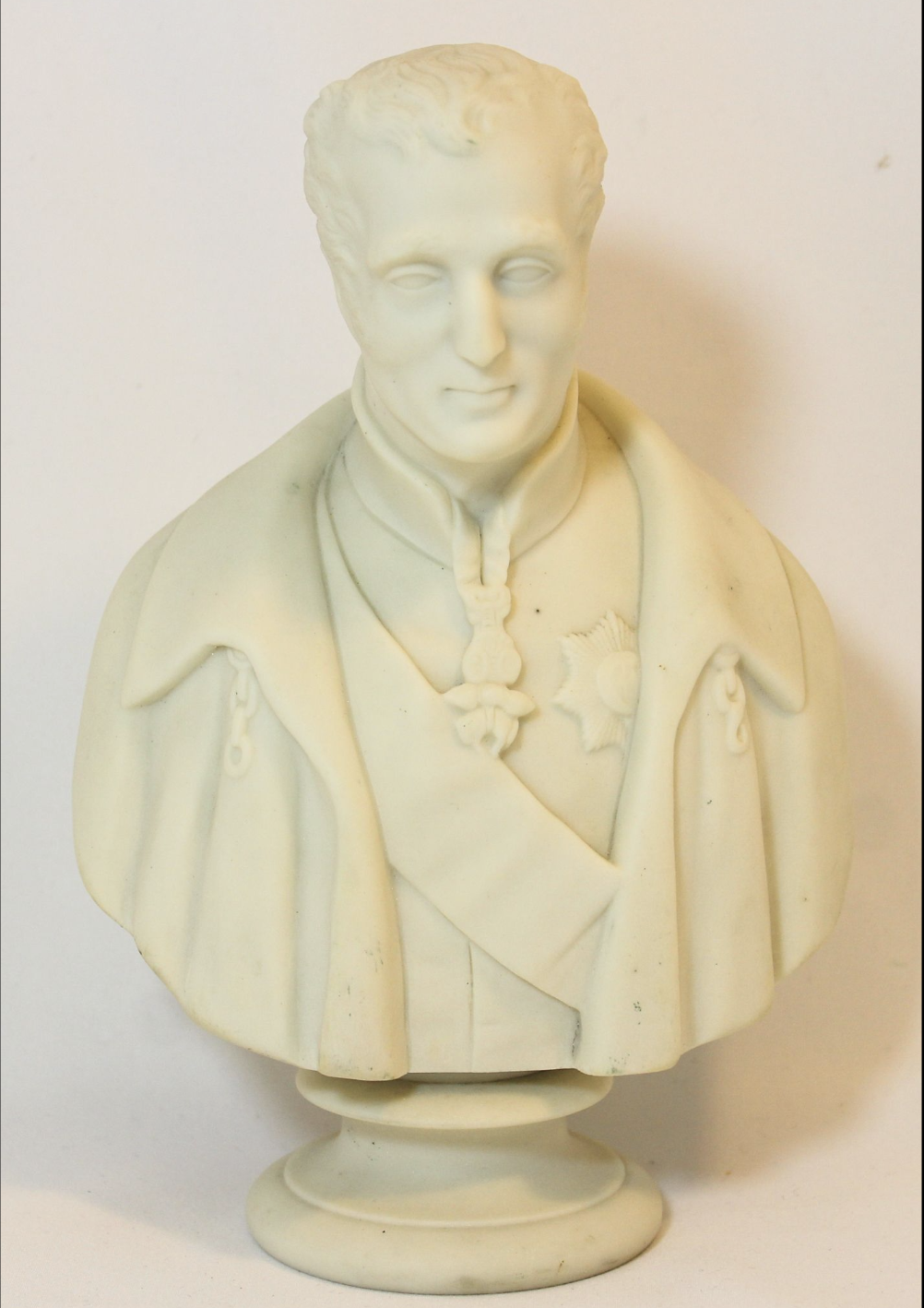
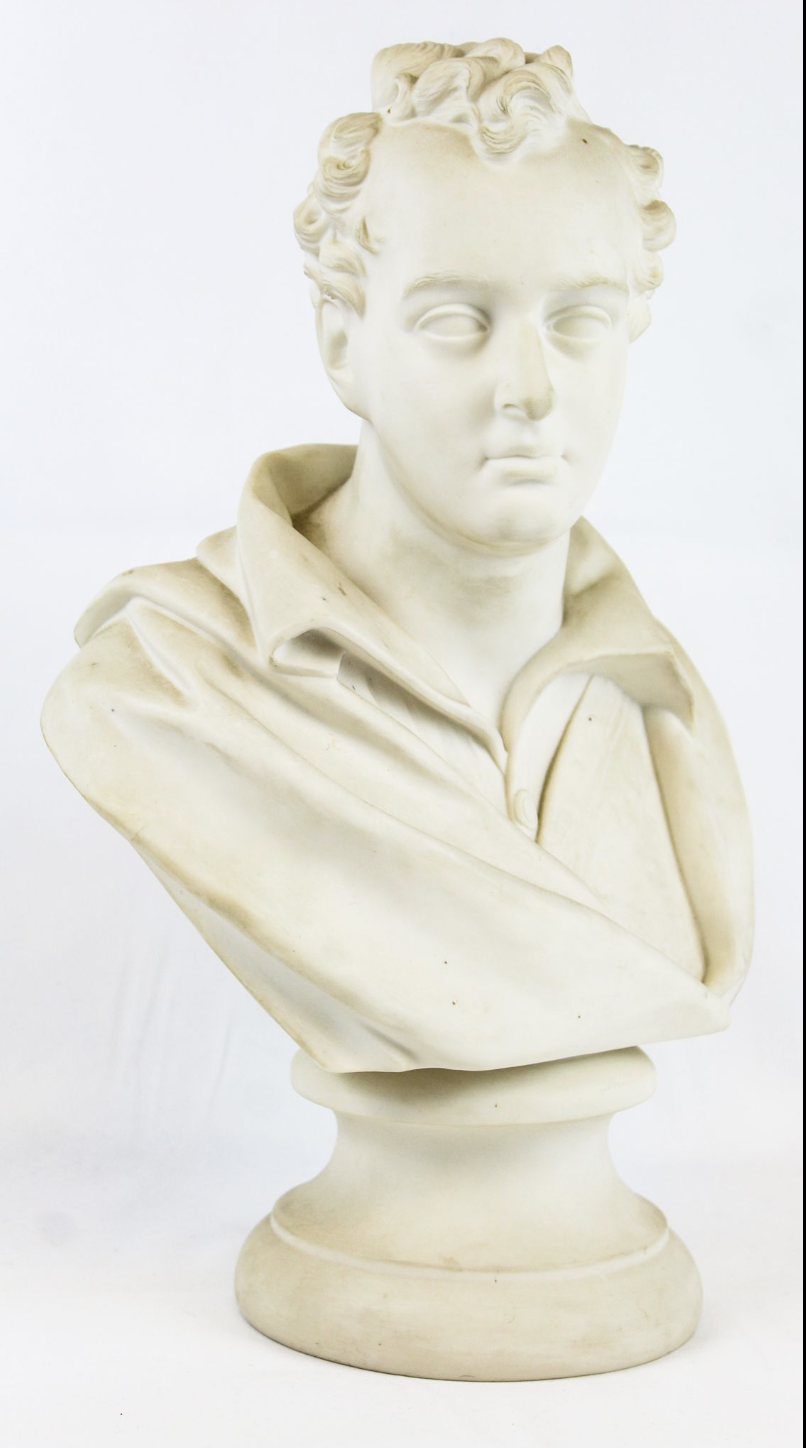
Marsha: The range and scope of the art and realia are significant, bringing together for the first time images of Byron and his contemporaries in various forms and mediums. An 1825 lithograph of Byron by Rembrandt Peale is an early example of lithography. A bust of Wellington marked “Count D’Orsay 1846” sculpted for Copeland Potteries, is a fine example of portraiture in parian. A 1971 silver-gilt commemorative medal marks the 150th anniversary of Keat’s death. And these are just three among many interesting, rare, and unusual objects within the art and realia holdings of the BSC.
Can you share about the significance of the BSC's acquisition of the Betty T. Bennett papers?
Marsha: Betty fought a valiant battle against cancer—and worked courageously to complete her Mary Shelley biography before her death. Sadly, realizing that would not happen, she entrusted her unfinished monograph, her working library, and extensive research to the Byron Society Collection two days before she died. After reading the unfinished manuscript, Stuart Curran advised that Betty’s monograph should be digitized and made available through the collection’s website as a research tool, thereby making accessible the work to which Betty dedicated so much of her life.
Candace: Betty T. Bennett’s monograph is an extraordinary repository of knowledge for the study of Mary Shelley. Her drafts preserve not only the text itself but also her research materials, notes, and marginalia, offering a detailed record of her scholarly process. This work merited wider recognition and sustained attention. Digitizing the entire monograph resurrected her work and has guided scholars in their own research.
Doucet: The Bennett monograph and the research files which undergird it represent the most marvelous and unexpected gift for the wide community of Mary Shelley scholars, admirers, and Frankenstein enthusiasts. No one writing about Shelley or her extensive works can afford to ignore this unfinished biography. Students of the figures (famous, infamous, and obscure) who populated the wide circle in which Shelley moved will find fresh information about them, too.
Do you have a favorite item in this portion of the BSC?
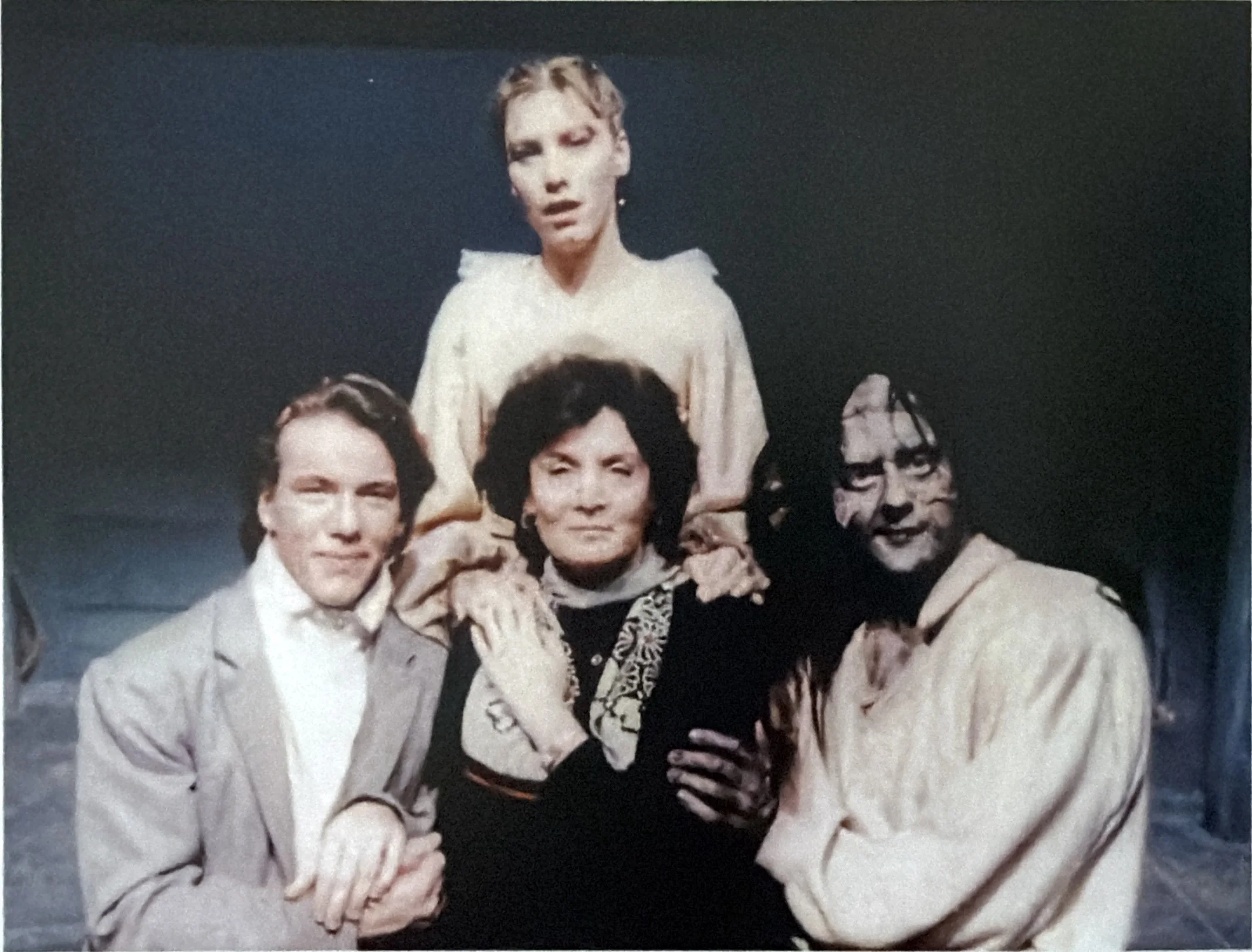
Betty Bennett with the cast of her 1991 adaptation of Frankenstein at American University.
Marsha: Betty’s 1991 adaptation of Frankenstein, performed at American University; she was a playwright as well as a scholar!
Doucet: Betty’s monograph. The multiple versions of chapters covering critical passages in Mary Shelley’s life testify to Betty’s relentless research ethic, keen eye for telling details, and command of her subject as well as of the literary, social, and political currents coursing through the first half of the nineteenth century. Digitizing the monograph allows Betty’s important voice to be heard again.
Candace: Betty’s monograph. It is a valuable teaching tool that I use in class visits to Special Collections, and a text I provide for any researcher who says they love Frankenstein.
How might the Betty T. Bennett papers impact the work of Mary Shelley scholars moving forward?
Doucet: The ground shifts with each important biography of a major literary figure, and Betty’s life of Mary Shelley is no exception. Every serious writer on Shelley will want to study the monograph and the research scaffolding on which it rests. Betty was among the leading scholars of Romanticism in her generation. The insights and discoveries embedded in her monograph will serve as a springboard for future scholarship, A review of the list of her research files is a guide that shows how it should be done.
Candace: The monograph and research files are a treasure trove. Betty’s organization was astounding, and her marginalia will guide researchers for generations. One could spend weeks reviewing her materials and would only make a dent in the collection.
Is there any other helpful information you'd like to share with students, scholars, or members of the public interested in studying the BSC and the Betty T. Bennett papers?
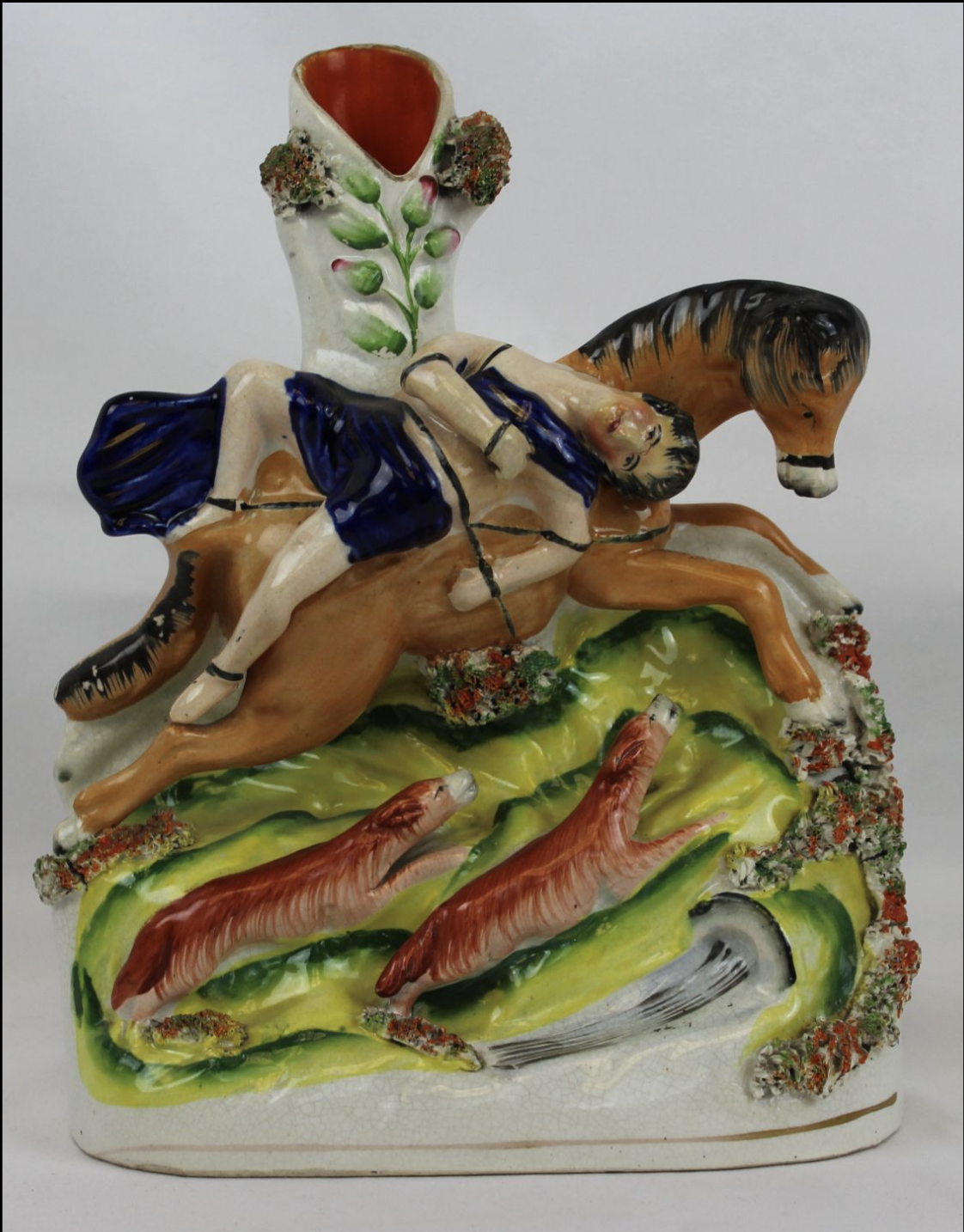
Marsha: The resources of the Byron Society Collection are vast and include everything from rare books and autograph material to unexplored artworks and 19th century portraits in bronze, parian, and Staffordshire, along with examples of rare Byronic material culture and ephemera. It is well worth exploring.
Doucet: I recommend reading through the amazing, exhaustive Finding Aid (103 pages) to the Bennett papers--Oh, the places you’ll go. The lists of world-wide repositories she visited or canvassed by mail, the astonishing number of subjects she investigated, and individuals about whom she sought to assemble information are alone a revelation, even though one can’t see inside those files except on site.
Candace: We encourage you to review our digitized collections on JSTOR Digital Stewardship. However, to truly understand the wealth of materials you will certainly need to book a research appointment.
Doucet Devin Fischer served as a principal editor for the final four volumes of Shelley and his Circle, 1773-1822, a project rooted in the holdings of correspondence and literary manuscripts in the Pforzheimer Collection, with which she was associated before its donation to NYPL in 1986. She co-curated exhibitions at NYPL commemorating anniversaries of Byron, P. B. Shelley, and (together) Mary Shelley and Mary Wollstonecraft, and also edited Mary Shelley’s The Fortunes of Perkin Warbeck, a Romance for the Pickering edition of The Novels and Selected Works of Mary Shelley.
Marsha Manns founded the Byron Society of America and subsequently the Byron Society Collection with Leslie A. Marchand. She served as the Society's founding executive director for twenty-one years and its chair for fourteen years. Currently she co-chairs the Byron Society Collection's Joint Advisory Committee at Drew University, spearheading the collection's digital project, securing additional collections/materials to augment the Byron collection's holdings, and fundraising for various collection projects. She is a collector of nineteenth-century material culture.
Candace Reilly serves as the Manager of Special Collections and the Curator of Rare Books and Manuscripts at Drew University. She has more than eight years' experience managing the Byron Society Collection, including mentoring student employees on digitizing and promoting this significant collection housed within Drew's Special Collections.