
El reloj insumiso. El romanticismo como tecnología de la temporalidad
Mesa redonda
April 24, 2026
3–4:30pm EDT
on Zoom
A recap of "The Unruly Clock," a Virtual Event hosted by the Keats-Shelley Association of America, organized by Jerónimo Ledesma and Eric Eisner
On April 24, 2026, the Keats-Shelley Association of America hosted a Virtual Event roundtable that asked a deceptively simple question: what happens when literature refuses to keep time?
The Unruly Clock brought together eight panelists from the Universidad de Buenos Aires (UBA), the Universidad de Chile, and CONICET to examine how Romantic-era literature functioned not merely as a reflection of its historical moment, but as an active technology of temporal experimentation. The result was a conversation that moved fluidly between the 18th century and the 20th, between Buenos Aires and London, between close reading and broad theoretical argument.
The roundtable opened with Jerónimo Ledesma (UBA) laying out the conceptual framework that would anchor the whole event. His argument, drawn from an ongoing collaborative research project at UBA and the Universidad de Chile, centers on what he calls the biopolitics of modern time.
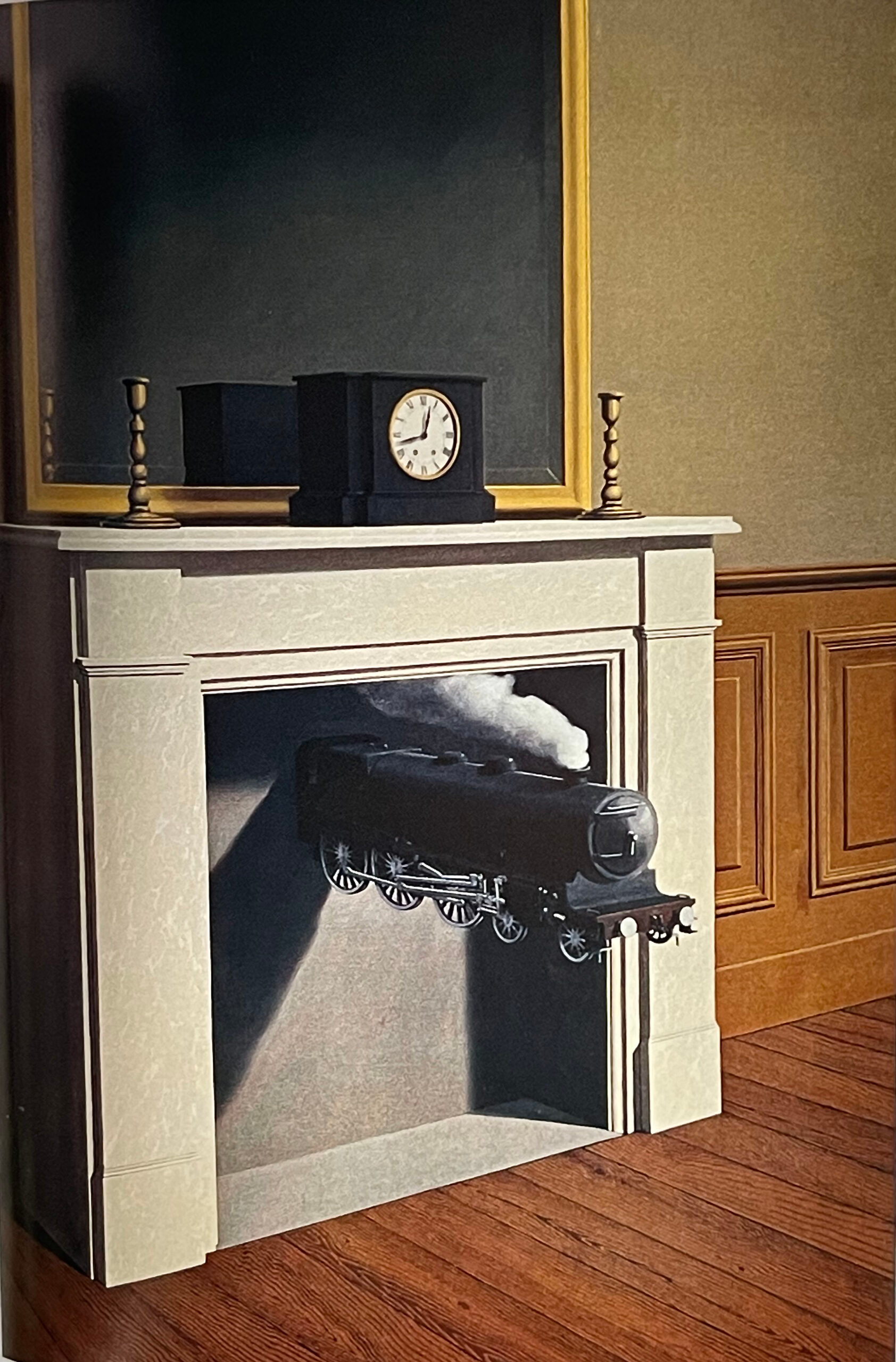
From the mid-18th century onward, time became something to be managed. The clock, the railway timetable, the factory schedule—these weren't neutral conveniences. They inscribed a social order, standardized rhythms of life, and defined some tempos as productive and others as defiant. The long 19th century, Ledesma argued, was the period in which this temporal regime consolidated itself as common sense.
Literature sat in an uncomfortable relationship with that process. On one hand, it participated in it—realism, in many ways, accompanied the modern clock. On the other, its structural drive toward autonomy and formal experimentation gave it what Ledesma called "an active, even potentially dangerous, role." Romantic literature, in particular, operated as what the roundtable named an unruly clock: a technology of time that didn't submit to the dominant temporal order, but complicated, resisted, and interrogated it.
Crucially, Ledesma was careful to distinguish this from escapism—a charge Romanticism has long faced. The vindication of past eras, the idealization of ruins, the lyrical turn inward: these weren't flights from the world. They were specific forms of critical engagement with a world whose temporal logic was, at that very moment, becoming the only logic available.
Panelists:
Jerónimo Ledesma (Universidad de Buenos Aires)
Carolina Ramallo (Universidad de Buenos Aires – Universidad Nacional de Hurlingham)
Pablo San Martín Varela (Universidad de Chile)
Gabriel Pascansky (CONICET – Universidad de Buenos Aires)
Daniela Paolini (CONICET – Universidad de Buenos Aires)
Mario Rucavado (CONICET – Universidad de Buenos Aires)
Cecilia Dominguez (Universidad de Buenos Aires)
Juan Raura (Universidad de Buenos Aires)
Clips from the roundtable will be available soon.
Please enjoy the full recording on our YouTube channel!
Be on the lookout for the K-SAA's next virtual event!
El reloj insumiso. El romanticismo como tecnología de la temporalidad
Mesa redonda
24 de abril de 2026, 16-17:30 (ART,UTC-3) | 24 de abril de 2026, 15-16:30 (EDT,UTC-4)
en Zoom
Investigadorxs de la Universidad de Chile y de la Universidad de Buenos Aires conversarán sobre el modo en que la literatura de la época romántica funcionó como una tecnología de la temporalidad en el momento de emergencia y consolidación del régimen capitalista moderno. Desde el siglo XVIII se asiste a una progresiva estandarización en la representación del tiempo, acompañada por el desarrollo de tecnologías cronométricas y cronográficas orientadas a su medición, regulación y sincronización. La literatura romántica operó en este contexto como un dispositivo moderno de experimentación temporal. Pero diseñó temporalidades que aparecen como fuera de lugar, dislocadas o incluso anacrónicas. Lejos de implicar una retirada del mundo, estas propuestas constituyeron una forma específica de intervención crítica, que interrogaban modos de experiencia que comenzaban a volverse dominantes. El objetivo del encuentro será delinear este problema en términos generales y, a la vez, precisarlo a través de casos, textos y discusiones propias del período.
Panelistas:
Jerónimo Ledesma (Universidad de Buenos Aires)
Carolina Ramallo (Universidad de Buenos Aires – Universidad Nacional de Hurlingham)
Pablo San Martín Varela (Universidad de Chile)
Gabriel Pascansky (CONICET – Universidad de Buenos Aires)
Daniela Paolini (CONICET – Universidad de Buenos Aires)
Mario Rucavado (CONICET – Universidad de Buenos Aires)
Cecilia Dominguez (Universidad de Buenos Aires)
Juan Raura (Universidad de Buenos Aires)